Author: Dimitris

  • Μονά-ζυγά: το ΥΠΟΠΤΟ μέτρο που γέμισε την Αθήνα δεύτερα αυτοκίνητα

    Μονά-ζυγά: το ΥΠΟΠΤΟ μέτρο που γέμισε την Αθήνα δεύτερα αυτοκίνητα

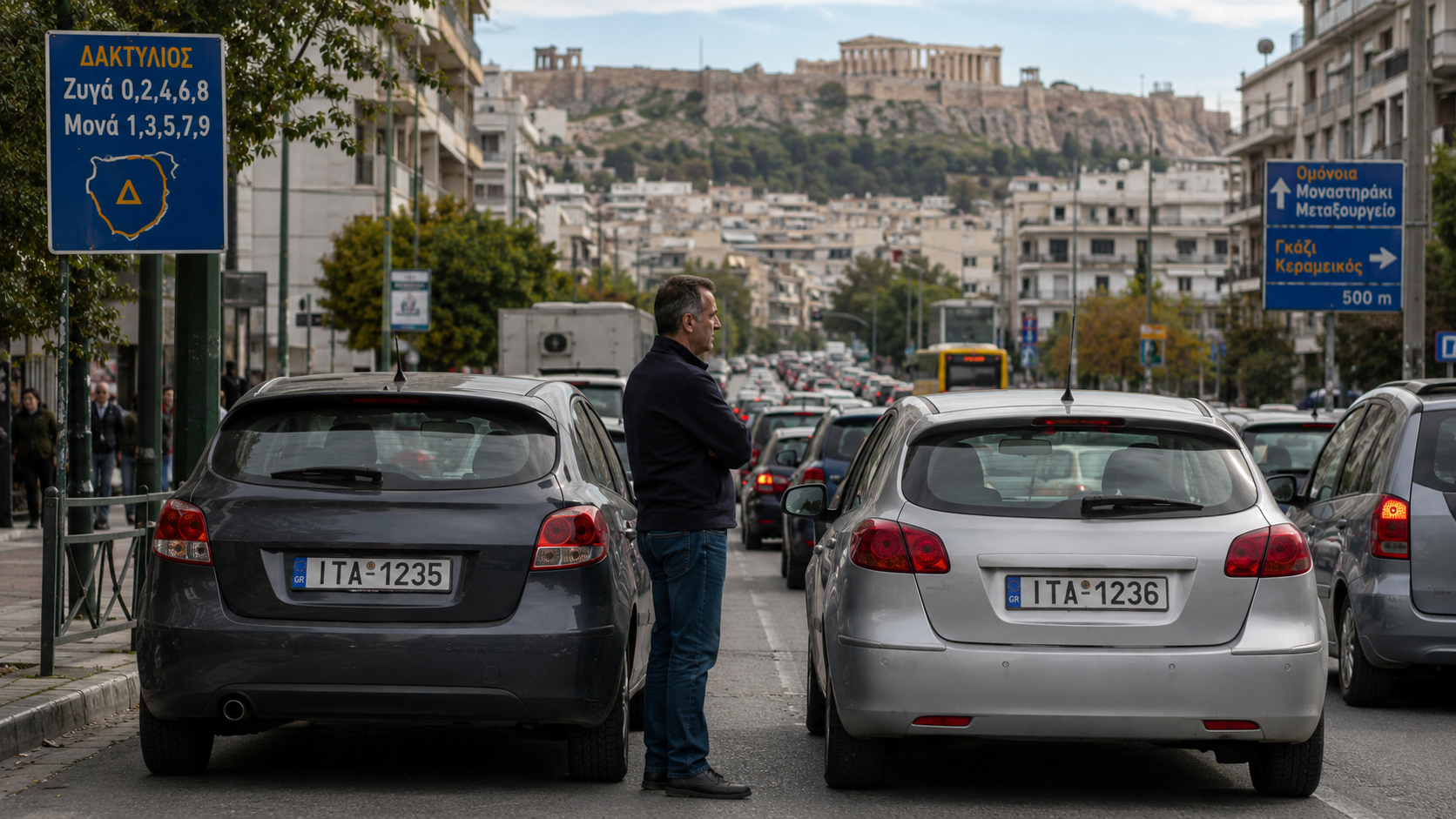
    Για τον περιορισμό της κυκλοφορίας στο κέντρο της Αθήνας, το κράτος επέλεξε τα μονά-ζυγά. Μια ημέρα κυκλοφορούν τα αυτοκίνητα με μονό αριθμό κυκλοφορίας και την επόμενη εκείνα με ζυγό.

    Υποτίθεται ότι έτσι θα μειώνονταν τα αυτοκίνητα στους δρόμους, η κυκλοφοριακή συμφόρηση και η ατμοσφαιρική ρύπανση.

    Μόνο που το μέτρο είχε ένα μικρό πρόβλημα: μπορούσε να παρακαμφθεί με την αγορά ενός δεύτερου αυτοκινήτου.

    Όποιος είχε την οικονομική δυνατότητα αγόραζε ένα αυτοκίνητο με μονή πινακίδα και ένα με ζυγή. Έτσι κυκλοφορούσε καθημερινά, απολύτως νόμιμα, ενώ ο λιγότερο εύπορος πολίτης ήταν υποχρεωμένος να αφήνει το μοναδικό του αυτοκίνητο στο σπίτι τις μισές ημέρες.

    Αυτό ονομάστηκε κοινωνικά δίκαιο μέτρο.

    Ο πλούσιος απέκτησε δύο αυτοκίνητα. Ο φτωχότερος απέκτησε περιορισμούς.

    Και οι εισαγωγείς αυτοκινήτων απέκτησαν περισσότερους πελάτες.

    Δεν υπάρχουν, τουλάχιστον μέχρι σήμερα, αποδείξεις ότι τα μονά-ζυγά σχεδιάστηκαν εξαρχής για να ευνοήσουν τους εισαγωγείς αυτοκινήτων. Υπάρχει όμως το αδιαμφισβήτητο αποτέλεσμα: το μέτρο δημιούργησε ένα ισχυρό κίνητρο αγοράς δεύτερου οχήματος.

    Και όταν ένα κράτος διατηρεί επί δεκαετίες ένα μέτρο του οποίου οι συνέπειες είναι πλέον γνωστές, δεν μπορεί να κρύβεται για πάντα πίσω από τις αρχικές του προθέσεις.

    Μπορεί η αρχική πρόθεση να ήταν η μείωση της ρύπανσης. Όταν όμως αποδείχθηκε ότι οι πολίτες αγόραζαν δεύτερα αυτοκίνητα για να παρακάμπτουν το μέτρο, η κυβέρνηση όφειλε να το καταργήσει ή να το αντικαταστήσει.

    Δεν το έκανε.

    Συνέχισε να εφαρμόζει ένα σύστημα που αύξανε τον στόλο των αυτοκινήτων, ευνοούσε τις πωλήσεις, απέφερε φόρους και τέλη στο κράτος και άφηνε ανέγγιχτους όσους μπορούσαν να πληρώσουν το κόστος της παράκαμψης.

    Η Ελλάδα όμως δεν κατασκεύαζε τα αυτοκίνητα που αγόραζαν οι πολίτες. Τα εισήγαγε.

    Κάθε επιπλέον αυτοκίνητο σήμαινε περισσότερες εισαγωγές. Μαζί του έρχονταν εισαγόμενα ανταλλακτικά, καύσιμα, ελαστικά και εξοπλισμός. Το μέτρο που υποτίθεται ότι θα περιόριζε την κυκλοφορία μπορούσε τελικά να αυξάνει την κατανάλωση εισαγόμενων προϊόντων και να επιβαρύνει το εμπορικό έλλειμμα της χώρας.

    Η Ελλάδα, μια χώρα με χρόνια προβλήματα στο εξωτερικό της ισοζύγιο, ενθάρρυνε εμμέσως τους πολίτες να αγοράζουν δύο εισαγόμενα αυτοκίνητα αντί για ένα.

    Εξαιρετικός οικονομικός σχεδιασμός.

    Τα μονά-ζυγά δεν χρέωναν τη χρήση του περιορισμένου οδικού χώρου. Δεν έκαναν ακριβότερη την κυκλοφορία στις ώρες αιχμής. Δεν επέβαλλαν μεγαλύτερο κόστος στα πιο ρυπογόνα οχήματα. Δεν χρηματοδοτούσαν άμεσα τις δημόσιες συγκοινωνίες.

    Απλώς μοίραζαν τους πολίτες ανάλογα με το τελευταίο ψηφίο της πινακίδας τους.

    Όποιος είχε ένα αυτοκίνητο περιοριζόταν. Όποιος είχε δύο συνέχιζε κανονικά.

    Σε ένα σύστημα αστικών διοδίων, ο εύπορος πολίτης μπορεί πράγματι να πληρώσει και να συνεχίσει να οδηγεί. Τουλάχιστον όμως πληρώνει κάθε φορά που επιβαρύνει την κυκλοφορία και τα χρήματα μπορούν να χρησιμοποιηθούν για λεωφορεία, μετρό και άλλες δημόσιες υποδομές.

    Στα μονά-ζυγά, ο εύπορος αγόραζε απλώς δεύτερο αυτοκίνητο. Ο εισαγωγέας εισέπραττε. Το κράτος εισέπραττε φόρους και τέλη. Η χώρα πλήρωνε την εισαγωγή.

    Και η κυκλοφορία συνεχιζόταν.

    Δεν μπορούμε να αποδείξουμε ότι οι κυβερνήσεις θέλησαν να ευνοήσουν τους εισαγωγείς αυτοκινήτων.

    Μπορούμε όμως να πούμε κάτι πολύ πιο δύσκολο να αμφισβητηθεί:

    Οι κυβερνήσεις διατήρησαν ένα μέτρο που ενθάρρυνε την αγορά δεύτερου αυτοκινήτου, ωφέλησε αντικειμενικά τους εισαγωγείς και επιβάρυνε το εξωτερικό έλλειμμα της χώρας.

    Όταν ένα αποτυχημένο μέτρο διατηρείται για δεκαετίες, παύει να είναι απλώς λάθος.

    Γίνεται επιλογή.

  • Δωρεάν Δημόσια Υγεία. Αλήθεια;

    Δωρεάν Δημόσια Υγεία. Αλήθεια;

    Η δημόσια υγεία στην Ελλάδα παρουσιάζεται ως δωρεάν. Ο πολίτης πληρώνει φόρους και ασφαλιστικές εισφορές και, θεωρητικά, όταν αρρωστήσει, το κράτος αναλαμβάνει να τον περιθάλψει.

    Αλλά τι σημαίνει πραγματικά «δωρεάν»;

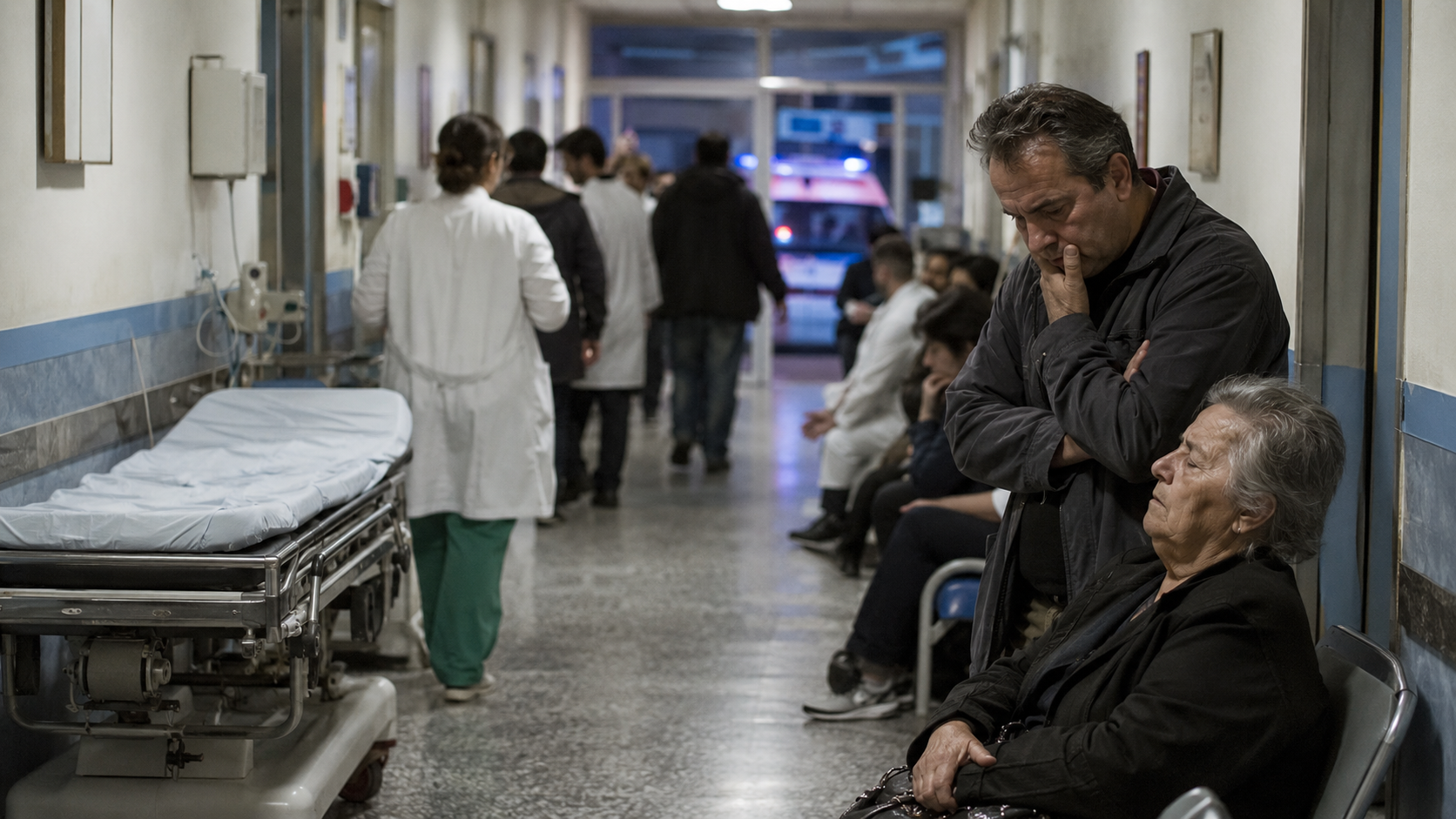
    Είναι δωρεάν μια υπηρεσία όταν το ασθενοφόρο μπορεί να καθυστερήσει τόσο, ώστε η οικογένεια να αναγκαστεί να καλέσει ιδιωτικό; Είναι δωρεάν όταν η εγχείρηση θα γίνει όταν βρεθεί διαθέσιμη αίθουσα, προσωπικό ή εξοπλισμός; Είναι δωρεάν όταν ο ασθενής χρειάζεται αποκλειστική νοσοκόμα, ιδιώτη γιατρό, ιδιωτικό διαγνωστικό κέντρο ή νοσηλευτή στο σπίτι;

    Η δωρεάν υγεία δεν κρίνεται από το αν υπάρχει ταμείο στην είσοδο του δημόσιου νοσοκομείου. Κρίνεται από το αν ο πολίτης μπορεί να λάβει την αναγκαία φροντίδα έγκαιρα, κοντά στον τόπο κατοικίας του, σε αξιοπρεπείς συνθήκες και χωρίς να πληρώσει δεύτερη φορά από την τσέπη του.

    Με αυτά τα κριτήρια, η ελληνική δημόσια υγεία δεν είναι πραγματικά δωρεάν.

    Η στατιστική απάντηση είναι συντριπτική

    Το 2024, το 21,9% των ανθρώπων στην Ελλάδα που χρειάστηκαν ιατρική φροντίδα δήλωσαν ότι δεν την έλαβαν εξαιτίας του κόστους, της απόστασης ή της αναμονής. Πρόκειται για το υψηλότερο ποσοστό στην Ευρωπαϊκή Ένωση και είναι έξι φορές μεγαλύτερο από τον ευρωπαϊκό μέσο όρο του 3,6%. Στους πολίτες που κινδυνεύουν από φτώχεια, το ποσοστό φτάνει το 32,3%. Υπάρχουν επίσης τεράστιες περιφερειακές διαφορές, με τα ποσοστά ανεκπλήρωτων αναγκών να κυμαίνονται από 16% έως 29%.

    Πηγή: OECD – Country Health Profile 2025: Greece
    https://www.oecd.org/content/dam/oecd/en/publications/reports/2025/12/country-health-profile-2025-country-notes_7e72146d/greece_71e37e79/9ca0bb52-en.pdf

    Δεν μιλάμε, λοιπόν, για μεμονωμένες κακές εμπειρίες. Μιλάμε για περισσότερο από έναν στους πέντε πολίτες που χρειάστηκαν περίθαλψη και δεν την έλαβαν.

    Η ΕΛΣΤΑΤ καταγράφει ότι το 2024 η δημόσια χρηματοδότηση κάλυψε μόλις το 60,6% της συνολικής δαπάνης υγείας, ενώ η ιδιωτική χρηματοδότηση έφτασε το 39,1%. Οι άμεσες πληρωμές των πολιτών ανήλθαν σε 6,8 δισεκατομμύρια ευρώ και αντιστοιχούσαν στο 34,2% της συνολικής δαπάνης υγείας.

    Πηγή: ΕΛΣΤΑΤ – Σύστημα Λογαριασμών Υγείας 2024
    https://www.statistics.gr/documents/20181/103b2cf0-5fa8-2654-cfa5-7e4ae12910af

    Άρα ο Έλληνας δεν πληρώνει μόνο μέσω φόρων και ασφαλιστικών εισφορών. Πληρώνει ξανά όταν χρειαστεί φάρμακα, εξετάσεις, γιατρούς, νοσηλεία, φροντίδα στο σπίτι ή ταχύτερη αντιμετώπιση.

    Σχεδόν ένα στα δέκα ελληνικά νοικοκυριά αντιμετωπίζει πλέον «καταστροφικές» δαπάνες υγείας, δηλαδή πληρωμές τόσο υψηλές ώστε απειλούν τη δυνατότητά του να καλύψει βασικές ανάγκες, όπως τρόφιμα, στέγαση και λογαριασμούς.

    Πηγή: Παγκόσμιος Οργανισμός Υγείας
    https://www.who.int/europe/news/item/04-11-2025-out-of-pocket-payments-for-health-care-in-greece-hit-low-income-households-the-hardest–new-who-report-finds

    Αυτό δεν είναι δωρεάν δημόσια υγεία. Είναι ένα σύστημα στο οποίο το κράτος παρέχει ένα μέρος της περίθαλψης και η οικογένεια καλείται να συμπληρώσει ό,τι λείπει.

    Το ασθενοφόρο που πρέπει να φτάσει εγκαίρως

    Δεν υπάρχουν δημοσιευμένα, εύκολα προσβάσιμα και συγκρίσιμα πανελλαδικά στοιχεία που να επιτρέπουν να πούμε ότι το ΕΚΑΒ χρειάζεται κατά μέσο όρο δυόμισι ώρες. Υπάρχουν, όμως, καταγεγραμμένες πολύωρες καθυστερήσεις, σοβαρές ελλείψεις σε νησιά και περιφερειακές περιοχές και μια διαρκής αντιπαράθεση για την πραγματική επιχειρησιακή δυνατότητα του οργανισμού.

    Τον Ιούνιο του 2026, εκπρόσωποι των εργαζομένων κατήγγειλαν ότι πάνω από το 50% του στόλου στην Αττική ήταν ακινητοποιημένο εξαιτίας βλαβών και έλλειψης ανταλλακτικών. Το ΕΚΑΒ απάντησε ότι στην Αττική επιχειρούν καθημερινά 70 ασθενοφόρα και κινητές μονάδες, μαζί με 24 μοτοσικλέτες άμεσης επέμβασης, και ότι αναμένονται 310 νέα ασθενοφόρα.

    Πηγή: in.gr
    https://www.in.gr/2026/06/14/greece/meionontai-ta-asthenofora-tou-ekav-se-ypiresia-vlaves-kai-elleipsi-antallaktikon-kathilonoun-to-miso-stolo-stin-attiki/

    Ακόμη και αυτή η αντιπαράθεση δείχνει το βασικό πρόβλημα: ο πολίτης δεν έχει στη διάθεσή του έναν δημόσιο πίνακα όπου να βλέπει πόσα ασθενοφόρα λειτουργούν ανά περιοχή, πόσες κλήσεις εξυπηρετούνται και ποιος είναι ο πραγματικός χρόνος ανταπόκρισης ανά κατηγορία επείγοντος.

    Όταν το ιδιωτικό ασθενοφόρο μπορεί να προγραμματιστεί και να φτάσει γρηγορότερα, όποιος διαθέτει χρήματα αγοράζει χρόνο. Εκείνος που δεν διαθέτει, περιμένει. Στην επείγουσα ιατρική, όμως, ο χρόνος δεν είναι πολυτέλεια. Είναι πιθανότητα επιβίωσης.

    Οι εγχειρήσεις και η αγορά της προτεραιότητας

    Το 2024, το ίδιο το Υπουργείο Υγείας αναγνώριζε ότι 102.634 περιστατικά βρίσκονταν σε λίστα χειρουργείου. Περίπου 58.000 περίμεναν περισσότερο από τέσσερις μήνες και περισσότεροι από 26.000 περίμεναν πάνω από έναν χρόνο.

    Πηγή: Υπουργείο Υγείας
    https://www.moh.gov.gr/articles/ministry/grafeio-typoy/press-releases/12205-to-plaisio-leitoyrgias-twn-apogeymatinwn-xeiroyrgeiwn-paroysiasan-se-synenteyksh-typoy-o-ypoyrgos-ygeias-adwnis-gewrgiadhs-kai-o-yfypoyrgos-ygeias-marios-themistokleoys

    Έκτοτε υπήρξε σημαντική πρόοδος. Σύμφωνα με τα στοιχεία που παρουσίασε το Υπουργείο Υγείας τον Ιούνιο του 2026, το 2025 πραγματοποιήθηκαν περισσότερα από 522.000 χειρουργεία, με δηλωμένο μέσο χρόνο αναμονής πέντε εβδομάδων. Πραγματοποιήθηκαν επίσης 26.845 δωρεάν απογευματινά χειρουργεία, ενώ εκδόθηκαν 66.570 παραπεμπτικά για δωρεάν επιλογή παρόχου.

    Πηγή: Υπουργείο Υγείας
    https://www.moh.gov.gr/articles/ministry/grafeio-typoy/press-releases/14438-shmeia-apo-thn-synenteyksh-typoy-me-thema-laquo-metarrythmish-sth-diaxeirish-twn-xeiroyrgeiwn-toy-esy-raquo

    Αυτή η βελτίωση πρέπει να αναγνωριστεί. Δεν αναιρεί, όμως, το θεμελιώδες ερώτημα: γιατί χρειάστηκε να δημιουργηθεί σύστημα απογευματινών χειρουργείων, αρχικά ακόμη και με πληρωμή από τον ασθενή, για να χρησιμοποιηθούν οι δημόσιες χειρουργικές αίθουσες και το απόγευμα;

    Όταν η ταχύτερη πρόσβαση σε δημόσια υποδομή μπορεί να εξαρτάται από πρόσθετη πληρωμή, δημιουργούνται δύο ταχύτητες μέσα στο ίδιο το δημόσιο νοσοκομείο. Ο εύπορος αγοράζει χρόνο. Ο φτωχότερος περιμένει τη σειρά του.

    Και όταν η οικογένεια φοβάται ότι χωρίς πρόσθετη πληρωμή η επέμβαση θα καθυστερήσει, δημιουργείται το έδαφος για το «φακελάκι». Στο επίσημο προφίλ υγείας της Ελλάδας για το 2023 αναφερόταν ότι το 13% των ερωτηθέντων το 2022 είχε δηλώσει άτυπη πληρωμή.

    Πηγή: Ευρωπαϊκή Επιτροπή – State of Health in the EU, Greece 2023
    https://health.ec.europa.eu/system/files/2023-12/2023_chp_gr_english.pdf

    Το φακελάκι δεν είναι απλώς η ανηθικότητα κάποιων γιατρών. Είναι και σύμπτωμα ενός συστήματος όπου ο πολίτης φοβάται ότι η κανονική σειρά, η επίσημη διαδικασία και η δωρεάν παροχή δεν αρκούν.

    Η νοσηλεία που μεταφέρει τη φροντίδα στην οικογένεια

    Ο ασθενής μπορεί να έχει κρεβάτι σε δημόσιο νοσοκομείο, αλλά η οικογένεια συχνά αναλαμβάνει να βρίσκεται δίπλα του, να τον ταΐζει, να τον προσέχει και, όταν οι ανάγκες είναι μεγάλες, να πληρώνει αποκλειστική νοσοκόμα.

    Μετά το εξιτήριο, η κατάσταση γίνεται ακόμη δυσκολότερη. Γιατροί στο σπίτι, νοσηλευτές, φυσικοθεραπευτές, φροντιστές ηλικιωμένων, ειδικά κρεβάτια και αναλώσιμα πληρώνονται σε μεγάλο βαθμό ιδιωτικά.

    Η Ελλάδα διαθέτει μόλις το 2% της συνολικής δαπάνης υγείας για μακροχρόνια φροντίδα, έναντι 18% στην Ευρωπαϊκή Ένωση. Το σύστημα παραμένει προσανατολισμένο στο νοσοκομείο και βασίζεται στην οικογένεια για τη φροντίδα ηλικιωμένων, χρονίως πασχόντων και ανθρώπων με βαριά αναπηρία.

    Πηγή: OECD – Country Health Profile 2025: Greece
    https://www.oecd.org/content/dam/oecd/en/publications/reports/2025/12/country-health-profile-2025-country-notes_7e72146d/greece_71e37e79/9ca0bb52-en.pdf

    Στην πράξη, η «δωρεάν» περίθαλψη τελειώνει συχνά στην πόρτα του νοσοκομείου. Από εκεί και πέρα αρχίζει η οικονομική και προσωπική εξάντληση της οικογένειας.

    Πολλοί γιατροί, λίγοι εκεί όπου χρειάζονται

    Το πρόβλημα δεν είναι σε ποια χώρα σπούδασε ένας γιατρός. Ένας ικανός γιατρός μπορεί να έχει εκπαιδευτεί σε οποιαδήποτε χώρα και ένας ανεπαρκής σε ένα διάσημο πανεπιστήμιο. Το πραγματικό ερώτημα είναι εάν το κράτος ελέγχει σοβαρά τα προσόντα, εξασφαλίζει συνεχή εκπαίδευση, αξιολογεί τις υπηρεσίες και τοποθετεί το κατάλληλο προσωπικό εκεί όπου υπάρχει ανάγκη.

    Η Ελλάδα εμφανίζει 6,6 αδειοδοτημένους γιατρούς ανά 1.000 κατοίκους, έναντι 4,3 στην Ευρωπαϊκή Ένωση. Ο αριθμός, όμως, περιλαμβάνει όλους όσοι διαθέτουν άδεια και όχι μόνο όσους εργάζονται ενεργά. Παράλληλα, οι γενικοί γιατροί αντιστοιχούν μόλις στο 6% του ιατρικού δυναμικού, το χαμηλότερο ποσοστό στην ΕΕ, έναντι ευρωπαϊκού μέσου όρου 19%. Οι νοσηλευτές στα δημόσια νοσοκομεία ήταν 3,8 ανά 1.000 κατοίκους, έναντι 8,5 στην ΕΕ.

    Πηγή: OECD – Country Health Profile 2025: Greece
    https://www.oecd.org/content/dam/oecd/en/publications/reports/2025/12/country-health-profile-2025-country-notes_7e72146d/greece_71e37e79/9ca0bb52-en.pdf

    Άρα δεν λείπουν απλώς «γιατροί». Λείπει η σωστή σύνθεση, η γεωγραφική κατανομή και, κυρίως, το νοσηλευτικό προσωπικό που κρατά καθημερινά το νοσοκομείο σε λειτουργία.

    Γι’ αυτό η ποιότητα της περίθαλψης μπορεί να εξαρτάται από την πόλη, την ειδικότητα, την ώρα και την ημέρα. Το Σαββατοκύριακο, τη νύχτα, σε ένα νησί ή σε μια απομακρυσμένη περιοχή, οι δυνατότητες δεν είναι ίδιες με εκείνες ενός μεγάλου νοσοκομείου της Αθήνας. Το ευρωπαϊκό προφίλ υγείας επισημαίνει ότι τα εμπόδια πρόσβασης είναι ιδιαίτερα έντονα στις αγροτικές και απομακρυσμένες περιοχές.

    Η αρρώστια, όμως, δεν συμβουλεύεται το πρόγραμμα εφημεριών ούτε εξετάζει τον ταχυδρομικό κώδικα του ασθενούς.

    Ο προσωπικός γιατρός που δεν είναι προσωπικός

    Ο προσωπικός γιατρός θα έπρεπε να γνωρίζει το ιστορικό του πολίτη, να τον παρακολουθεί διαχρονικά και να τον καθοδηγεί μέσα στο σύστημα.

    Στην πράξη, οι ελλείψεις δημόσιων γιατρών και η περιορισμένη συμμετοχή ιδιωτών οδήγησαν στην αυτόματη εγγραφή των πολιτών που δεν είχαν επιλέξει γιατρό έως τον Ιούνιο του 2025. Μόλις το 43% των ασθενών με πολλαπλά χρόνια νοσήματα δήλωσε ότι είχε τον ίδιο πάροχο πρωτοβάθμιας φροντίδας για περισσότερο από πέντε χρόνια, έναντι μέσου όρου 58% στις χώρες που συμμετείχαν στην έρευνα του ΟΟΣΑ. Μόνο το 47% δήλωσε αποτελεσματικό συντονισμό της φροντίδας του.

    Πηγή: OECD – Country Health Profile 2025: Greece
    https://www.oecd.org/content/dam/oecd/en/publications/reports/2025/12/country-health-profile-2025-country-notes_7e72146d/greece_71e37e79/9ca0bb52-en.pdf

    Ένας γιατρός που αποδίδεται διοικητικά σε εκατοντάδες ή χιλιάδες ανθρώπους δεν γίνεται αυτομάτως «προσωπικός». Η προσωπική ιατρική σχέση χρειάζεται χρόνο, συνέχεια και πραγματική δυνατότητα επικοινωνίας.

    Αποδεικνύει η ύπαρξη ιδιωτικής υγείας την αποτυχία του Δημοσίου;

    Όχι από μόνη της. Ιδιωτικοί γιατροί, κλινικές και ασφαλιστικές εταιρείες υπάρχουν σχεδόν σε όλες τις ευρωπαϊκές χώρες, ακόμη και σε εκείνες που διαθέτουν ισχυρά δημόσια συστήματα.

    Η αποτυχία αποδεικνύεται όταν ο ιδιώτης παύει να αποτελεί ελεύθερη επιλογή και γίνεται αναγκαστική διέξοδος.

    Όταν πληρώνεις ιδιώτη επειδή στο δημόσιο δεν υπάρχει σύντομο ραντεβού. Όταν πληρώνεις διαγνωστικό κέντρο επειδή το δημόσιο μηχάνημα δεν λειτουργεί ή δεν υπάρχει διαθέσιμο προσωπικό. Όταν πληρώνεις χειρουργείο για να μη μείνεις μήνες στη λίστα. Όταν πληρώνεις ασθενοφόρο επειδή φοβάσαι ότι το ΕΚΑΒ θα αργήσει. Όταν πληρώνεις αποκλειστική επειδή ένας νοσηλευτής δεν μπορεί να φροντίσει μόνος του ολόκληρη πτέρυγα.

    Τότε δεν έχουμε δημόσια υγεία που συμπληρώνεται από την ιδιωτική. Έχουμε δημόσια υγεία που στηρίζεται στην ιδιωτική δαπάνη για να καλύψει τα κενά της.

    Δωρεάν για ποιον;

    Για τον εύπορο πολίτη, το ελληνικό σύστημα μπορεί να λειτουργήσει. Θα πληρώσει ιδιώτη γιατρό, ιδιωτικό ασθενοφόρο, εξετάσεις, αποκλειστική, φροντιστή στο σπίτι και, εάν χρειαστεί, ιδιωτική κλινική.

    Για τον φτωχότερο πολίτη, η ίδια ασθένεια σημαίνει αναμονή, απόσταση, αναβολή και συμβιβασμό. Μερικές φορές σημαίνει ότι δεν θα λάβει καθόλου τη φροντίδα που χρειάζεται.

    Αυτή είναι η μεγάλη αλήθεια πίσω από τη λεγόμενη δωρεάν δημόσια υγεία: η Ελλάδα διαθέτει δημόσια νοσοκομεία, δημόσιους γιατρούς και καθολική τυπική κάλυψη. Δεν έχει κατορθώσει, όμως, να εξασφαλίσει ισότιμη, έγκαιρη και οικονομικά προστατευμένη πρόσβαση για όλους.

    Το Εθνικό Σύστημα Υγείας δεν χρειάζεται μόνο περισσότερα χρήματα. Χρειάζεται διαφάνεια στους χρόνους αναμονής, πραγματική αξιολόγηση, επαρκή στελέχωση, ισχυρή πρωτοβάθμια φροντίδα, επείγουσα βοήθεια με μετρήσιμους χρόνους ανταπόκρισης, αποκέντρωση και δημόσια φροντίδα μετά το εξιτήριο.

    Μέχρι τότε, η φράση «δωρεάν δημόσια υγεία» θα παραμένει περισσότερο πολιτικό σύνθημα παρά καθημερινή πραγματικότητα.

    Δωρεάν δημόσια υγεία; Αλήθεια;

  • Δημόσια ασφάλεια. Αλήθεια;

    Δημόσια ασφάλεια. Αλήθεια;

    Οι ιδιωτικές εταιρείες security παρουσιάζονται συνήθως ως ένα φυσιολογικό συμπλήρωμα της δημόσιας ασφάλειας. Η αστυνομία, λέγεται, δεν μπορεί να βρίσκεται παντού. Δεν μπορεί να φυλάσσει κάθε κατάστημα, κάθε αποθήκη, κάθε πολυκατοικία και κάθε σπίτι.

    Αλήθεια;

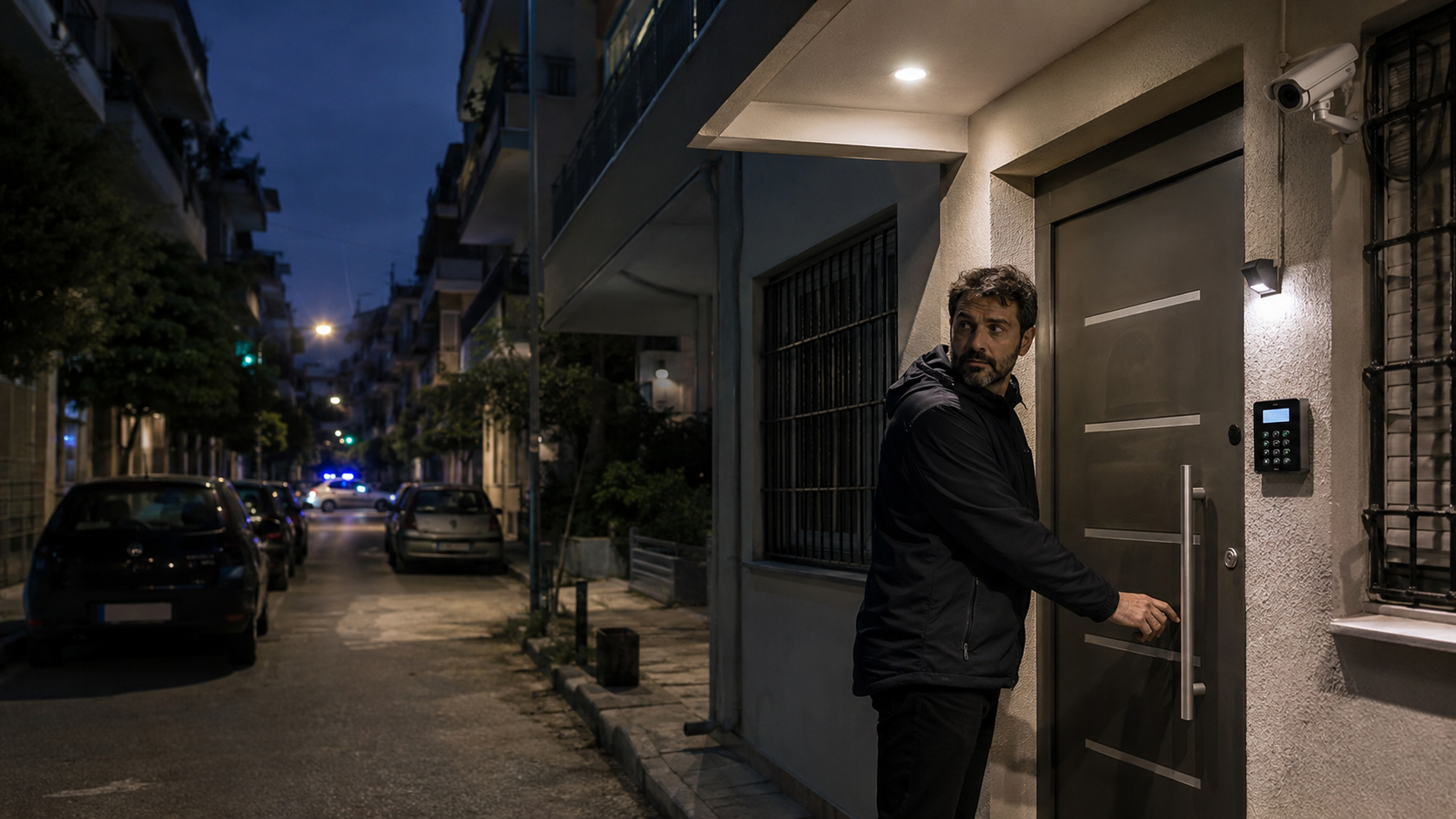
    Δεν μιλάμε για την ανάγκη να κλειδώνουμε την πόρτα μας. Αυτό είναι αυτονόητο. Μιλάμε για οτιδήποτε πέρα από αυτό: πόρτες ασφαλείας, συναγερμούς, κάμερες, κάγκελα, ιδιωτικά κέντρα παρακολούθησης, περιπολίες και φύλακες. Όλα αυτά δεν αποτελούν φυσική προέκταση της κλειδαριάς. Αποτελούν ιδιωτική υποκατάσταση μιας δημόσιας λειτουργίας που δεν εκτελείται επαρκώς.

    Το 1970 σχεδόν κανένα σπίτι δεν είχε συναγερμό. Σήμερα ο συναγερμός θεωρείται σχεδόν αυτονόητο μέρος μιας κατοικίας. Δεν άλλαξε απλώς η τεχνολογία. Άλλαξε η σχέση του πολίτη με το σπίτι του. Η κατοικία έπαψε να θεωρείται ασφαλής ιδιωτικός χώρος και μετατράπηκε σε έναν χώρο που πρέπει να οχυρώνεται.

    Δεν γνωρίζω σχεδόν κανένα σπίτι ή οικογένεια στην Ελλάδα που να μην έχει υποστεί κλοπή, διάρρηξη ή κάποια σχετική απόπειρα. Και η πραγματικότητα είναι πιθανότατα πολύ χειρότερη από τα επίσημα στοιχεία. Οι πολίτες συχνά δεν καταγγέλλουν καν το περιστατικό, εφόσον δεν υπάρχει σωματική βλάβη, μεγάλη οικονομική απώλεια ή ανάγκη να προσκομίσουν έγγραφο σε ασφαλιστική εταιρεία.

    Γιατί να το καταγγείλουν; Για να χάσουν ώρες σε ένα αστυνομικό τμήμα; Για να δηλώσουν αντικείμενα που δεν πρόκειται να επιστραφούν; Για να επαναλάβουν μια διαδικασία από την οποία δεν περιμένουν κανένα αποτέλεσμα;

    Η μη καταγγελία δεν σημαίνει ότι το έγκλημα δεν συνέβη. Σημαίνει ότι ο πολίτης δεν πιστεύει πλέον πως το κράτος μπορεί να κάνει κάτι γι’ αυτό. Η κλοπή αντιμετωπίζεται σχεδόν σαν προσωπική ατυχία, όπως μια βλάβη, μια πλημμύρα ή μια ζημιά από κακοκαιρία.

    Το κράτος, λοιπόν, μπορεί να εμφανίζει μια σχετικά ανεκτή εικόνα εγκληματικότητας, επειδή ένα σημαντικό μέρος της καθημερινής παραβατικότητας δεν φτάνει ποτέ στις καταγραφές του. Η αποτυχία του κρύβεται μέσα στην παραίτηση των πολιτών.

    Και έπειτα εμφανίζεται η αγορά της ασφάλειας.

    Ο πολίτης πληρώνει φόρους για την αστυνομία και πληρώνει ξανά για πόρτα ασφαλείας, συναγερμό, κάμερες, συνδρομή σε ιδιωτικό κέντρο και ενδεχομένως φύλακα. Η δημόσια αποτυχία μετατρέπεται σε ιδιωτική δαπάνη.

    Υπονοείται μάλιστα ένα είδος παράξενης δικαιοσύνης: αν δεν είσαι πλούσιος, δεν έχεις και πολλά να χάσεις. Θα υποστείς μικρότερη ζημιά. Αν διαθέτεις κάποια εισοδήματα ή περιουσία, τότε βρες μόνος σου τρόπο να φυλάγεσαι.

    Μοιάζει σχεδόν δίκαιο.

    Ο φτωχός πληρώνει με την απώλεια των λίγων πραγμάτων που έχει. Ο μεσαίος πληρώνει συναγερμούς, κάμερες, ασφάλιστρα και πόρτες ασφαλείας. Ο πλούσιος αγοράζει ισχυρότερη προστασία, καλύτερα συστήματα και ανθρώπινη φύλαξη.

    Πρόκειται για έναν κρυφό φόρο ασφάλειας. Μόνο που δεν είναι προοδευτικός. Είναι αντιστρόφως προοδευτικός. Ο φτωχότερος υφίσταται μεγαλύτερη αναλογικά ζημιά, ενώ ο πλουσιότερος αγοράζει τη δυνατότητα να την αποφύγει.

    Το πρόβλημα δεν σταματά εκεί.

    Η ιδιωτική ασφάλεια στηρίζεται σε εργαζομένους που συνήθως πληρώνονται λιγότερο από τους αστυνομικούς, απολύονται ευκολότερα, εργάζονται οποτεδήποτε και συχνά αναλαμβάνουν απάνθρωπες νυχτερινές ή εναλλασσόμενες βάρδιες. Το κράτος αποφεύγει το κόστος μιας επαρκούς δημόσιας υπηρεσίας και η αγορά αναλαμβάνει τη δουλειά με φθηνότερη, πιο ευέλικτη και πιο αναλώσιμη εργασία.

    Έτσι, η ιδιωτικοποίηση της ασφάλειας δεν ανακοινώνεται ποτέ επισήμως. Κανείς δεν λέει ότι η προστασία της κατοικίας και της νόμιμης περιουσίας παύει να αποτελεί ευθύνη του κράτους. Το κράτος απλώς αποσύρεται λίγο λίγο, μέχρι η ιδιωτική προστασία να θεωρείται φυσιολογική και αναπόφευκτη.

    Παράλληλα, η ανοχή στη μικροεγκληματικότητα διατηρεί έναν ολόκληρο πληθυσμό μικροπαραβατών έξω από την παραγωγική ζωή. Ας υποθέσουμε ότι πρόκειται για δέκα χιλιάδες ανθρώπους. Δεν εργάζονται κανονικά, δεν εντάσσονται, δεν επανεκπαιδεύονται και δεν αντιμετωπίζονται αποτελεσματικά. Επιβιώνουν αφαιρώντας μικρά ποσά και αντικείμενα από πολλούς άλλους.

    Η κοινωνία, δηλαδή, τους συντηρεί. Όχι μέσα από ένα οργανωμένο κοινωνικό πρόγραμμα, όχι μέσα από εργασία, εκπαίδευση ή επανένταξη, αλλά μέσα από κλοπές, ζημιές, φόβο και ανασφάλεια.

    Το κράτος εξοικονομεί χρήματα. Οι εταιρείες security αποκτούν πελάτες. Οι κατασκευαστές συναγερμών και καμερών αποκτούν αγορά. Οι ασφαλιστικές εταιρείες πουλούν συμβόλαια. Οι μικροπαραβάτες συνεχίζουν να επιβιώνουν. Και οι πολίτες πληρώνουν.

    Όλοι βολεύονται.

    Εκτός από τους πολίτες.

    Η ύπαρξη ιδιωτικών εταιρειών security δεν είναι από μόνη της το πρόβλημα. Το πρόβλημα είναι ότι η ιδιωτική ασφάλεια έχει πάψει να αποτελεί μια ειδική υπηρεσία για εξαιρετικές περιπτώσεις και έχει μετατραπεί σε καθημερινή ανάγκη. Όταν μια ολόκληρη κοινωνία θεωρεί φυσιολογικό να αγοράζει μόνη της την προστασία της, η δημόσια ασφάλεια έχει ήδη αποτύχει.

    Και όταν αυτή η αποτυχία παράγει φθηνή εργασία, ιδιωτικά κέρδη, αδήλωτες δραστηριότητες και μια διαρκώς ανακυκλούμενη μικροεγκληματικότητα, τότε δεν πρόκειται μόνο για ανικανότητα.

    Πρόκειται για ένα σύστημα που έχει μάθει να λειτουργεί μέσα στην αποτυχία του.

    Δημόσια ασφάλεια;

    Αλήθεια;

  • Η Αθήνα Δεν Αντέχει Άλλο Να Είναι Πρωτεύουσα

    Η Αθήνα Δεν Αντέχει Άλλο Να Είναι Πρωτεύουσα

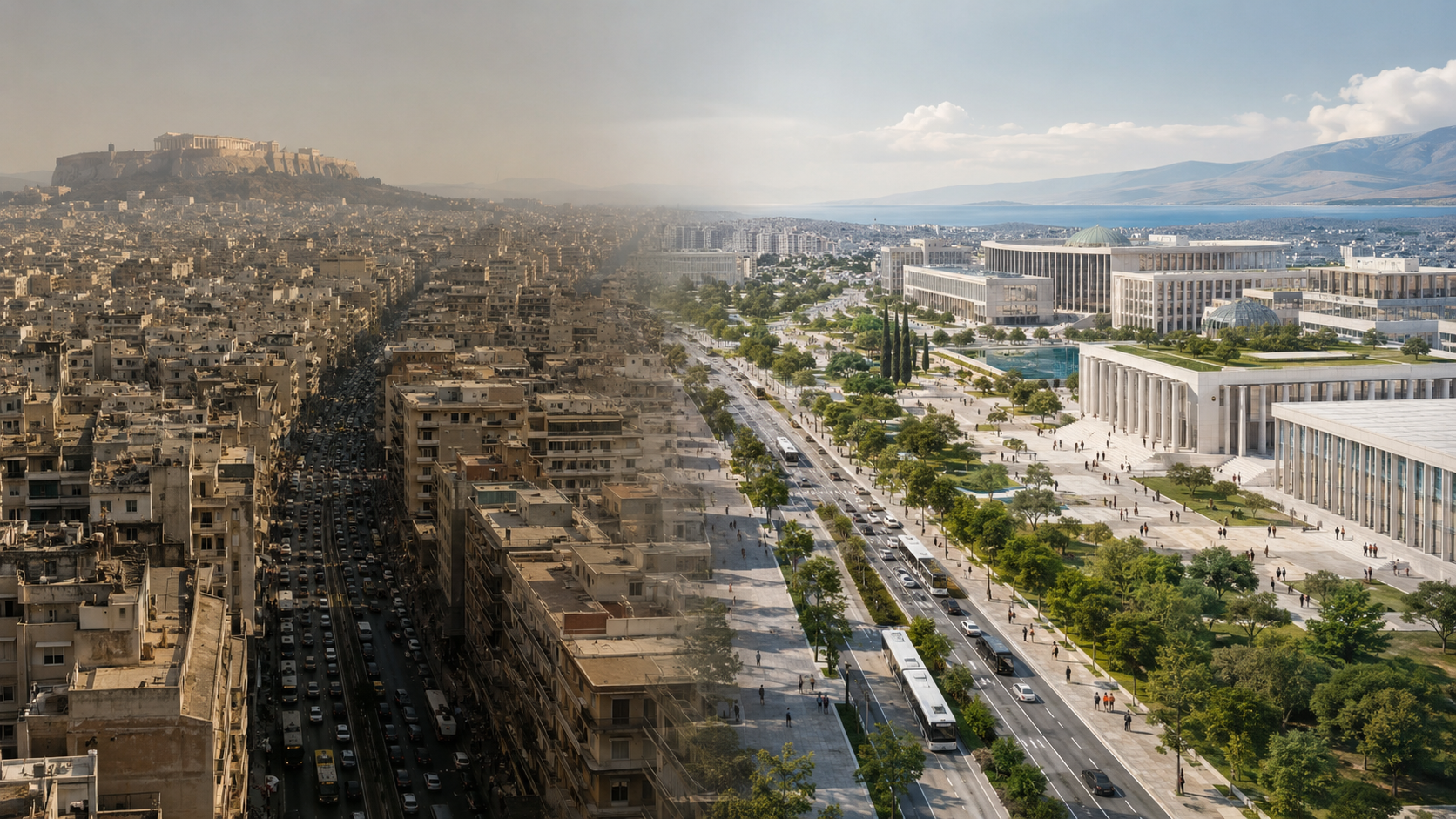
    Η Ελλάδα χρειάζεται μια νέα πρωτεύουσα. Όχι μεταφορά της πρωτεύουσας σε άλλη υπάρχουσα πόλη, αλλά δημιουργία μιας νέας, σύγχρονης διοικητικής πρωτεύουσας από την αρχή.

    Η Ελλάδα χρειάζεται μια νέα πρωτεύουσα. Όχι στη Θεσσαλονίκη, όχι στην Πάτρα, όχι στη Λάρισα, όχι σε κάποια άλλη πόλη που θα κληθεί απλώς να σηκώσει το βάρος που σήμερα σηκώνει η Αθήνα. Χρειάζεται μια πόλη σχεδιασμένη ειδικά για να λειτουργεί ως διοικητικό, θεσμικό και οργανωτικό κέντρο της χώρας.

    Η Αθήνα έχει φτάσει σε ένα σημείο όπου πολλά από τα προβλήματά της δεν μπορούν πλέον να λυθούν με μικρές παρεμβάσεις. Δεν αρκούν μερικές πεζοδρομήσεις, μερικές γραμμές λεωφορείων, λίγα πάρκα, κάποιες κυκλοφοριακές ρυθμίσεις ή μερικές αναπλάσεις. Το πρόβλημα είναι βαθύτερο. Η ίδια η δομή της πόλης έχει κορεστεί.

    Η Αθήνα βασανίζει πλέον τους κατοίκους της. Η μετακίνηση είναι καθημερινή ταλαιπωρία. Η ατμόσφαιρα είναι βαριά. Η ζέστη γίνεται όλο και πιο δύσκολη. Το πράσινο είναι ανεπαρκές. Η πυκνή δόμηση δεν αφήνει χώρο στην πόλη να αναπνεύσει. Οι τιμές της κατοικίας πιέζουν τους ανθρώπους. Η καθημερινότητα έχει γίνει για πολλούς ένας συνεχής αγώνας μέσα σε θόρυβο, κίνηση, άγχος και έλλειψη χώρου.

    Το πρόβλημα δεν είναι ότι η Αθήνα είναι απλώς μια μεγάλη πόλη. Το πρόβλημα είναι ότι η Αθήνα έχει φορτωθεί σχεδόν τα πάντα. Είναι πρωτεύουσα, διοικητικό κέντρο, οικονομικό κέντρο, τουριστικό κέντρο, ιστορικό σύμβολο, πανεπιστημιακός κόμβος, τόπος κατοικίας εκατομμυρίων ανθρώπων και σημείο συγκέντρωσης τεράστιου μέρους της εθνικής δραστηριότητας. Καμία πόλη δεν μπορεί να αντέξει για πάντα τόσους ρόλους ταυτόχρονα.

    Γι’ αυτό η δημιουργία νέας πρωτεύουσας δεν πρέπει να θεωρηθεί εχθρική πράξη απέναντι στην Αθήνα. Αντιθέτως, θα ήταν πράξη σωτηρίας της. Η Αθήνα δεν θα έχανε από μια νέα πρωτεύουσα. Θα κέρδιζε χώρο, ηρεμία και μια ευκαιρία να ξαναγίνει πιο ανθρώπινη πόλη. Θα μπορούσε να απαλλαγεί από ένα μεγάλο μέρος της διοικητικής πίεσης και να αναπνεύσει ξανά.

    Η νέα πρωτεύουσα δεν πρέπει να είναι μια δεύτερη Αθήνα. Δεν πρέπει να δημιουργηθεί μια ακόμη άναρχη πόλη, που μετά από λίγες δεκαετίες θα αντιμετωπίζει τα ίδια προβλήματα. Πρέπει να είναι πρότυπο σύγχρονης πόλης. Μια πόλη σχεδιασμένη από την αρχή με βάση τον άνθρωπο, τη λειτουργικότητα, την τεχνολογία, την ασφάλεια, το περιβάλλον και την ποιότητα ζωής.

    Θα μπορούσε να έχει οργανωμένες δημόσιες υπηρεσίες, σύγχρονα υπουργεία, ψηφιακές υποδομές, καθαρές μετακινήσεις, άνετους δημόσιους χώρους, πράσινο, ενεργειακά αποδοτικά κτίρια, κατοικίες κοντά στους χώρους εργασίας, σχολεία, νοσοκομεία, πολιτιστικούς χώρους και πραγματικό πολεοδομικό σχέδιο. Όχι διόρθωση του χάους εκ των υστέρων, αλλά αποφυγή του χάους από την αρχή.

    Η Ελλάδα δεν χρειάζεται απλώς μια νέα έδρα για τα υπουργεία. Χρειάζεται μια πόλη-παράδειγμα. Μια πόλη που να δείχνει ότι η καθημερινότητα δεν είναι υποχρεωτικά ταλαιπωρία. Μια πόλη που να αποδεικνύει ότι μπορούμε να σχεδιάσουμε κάτι σωστά, πριν καταστραφεί από την προχειρότητα, την αυθαιρεσία και την αδράνεια.

    Ένα βασικό επιχείρημα εναντίον μιας τέτοιας πρότασης θα είναι ασφαλώς το κόστος. Όμως το κόστος δεν πρέπει να εξετάζεται μονόπλευρα. Το κράτος σήμερα χρησιμοποιεί ή δεσμεύει στην Αθήνα κτίρια και ακίνητα πολύ μεγάλης αξίας. Πολλά από αυτά βρίσκονται σε περιοχές όπου η γη είναι εξαιρετικά ακριβή. Αν η διοίκηση μεταφερθεί σε μια νέα πρωτεύουσα, τα ακίνητα αυτά μπορούν να αξιοποιηθούν αποτελεσματικά.

    Μπορούν να πωληθούν, να μισθωθούν, να μετατραπούν σε κατοικίες, πολιτιστικούς χώρους, εκπαιδευτικά κέντρα, ξενοδοχεία, χώρους καινοτομίας ή άλλες χρήσεις που θα δώσουν ζωή και αξία στην πόλη. Με αυτόν τον τρόπο, η νέα πρωτεύουσα δεν θα είναι απλώς ένα έξοδο. Θα χρηματοδοτηθεί σε μεγάλο βαθμό από την ίδια την απελευθέρωση της Αθήνας.

    Στην Αθήνα το κράτος κάθεται πάνω σε πολύ ακριβή γη. Σε έναν νέο χώρο θα μπορούσε να χτίσει φθηνότερα, πιο οργανωμένα, πιο λειτουργικά και με πολύ καλύτερο σχεδιασμό. Η αξία των σημερινών κρατικών κτιρίων στην Αθήνα μπορεί να είναι πολύ μεγάλη σε σχέση με το κόστος κατασκευής νέων κτιρίων σε μια νέα διοικητική πόλη.

    Άρα το ερώτημα δεν είναι απλώς «πόσο θα κοστίσει η νέα πρωτεύουσα;». Το σωστό ερώτημα είναι: πόσο κοστίζει στην Ελλάδα η σημερινή υπερσυγκέντρωση στην Αθήνα; Πόσο κοστίζει η καθημερινή ταλαιπωρία; Πόσο κοστίζει η χαμένη παραγωγικότητα; Πόσο κοστίζει η διοικητική δυσλειτουργία; Πόσο κοστίζει μια χώρα που έχει σχεδόν όλο το βάρος της σε ένα μόνο αστικό κέντρο;

    Η κατασκευή νέας πρωτεύουσας θα μπορούσε να είναι ένα τεράστιο έργο ανάπτυξης. Θα δημιουργούσε ζήτηση σε κατασκευές, υποδομές, ενέργεια, μεταφορές, τεχνολογία, κατοικία, υπηρεσίες και επιχειρηματικότητα. Θα αύξανε το εθνικό προϊόν μέσα από πραγματική παραγωγή και πραγματική εργασία. Δεν θα ήταν μια λογιστική μετακίνηση υπηρεσιών. Θα ήταν μια νέα οικονομική και κοινωνική δυναμική.

    Αλλά το σημαντικότερο δεν είναι μόνο οικονομικό. Μια νέα πρωτεύουσα θα μπορούσε να αλλάξει την ψυχολογία της χώρας. Η Ελλάδα έχει ανάγκη από ένα μεγάλο έργο που να μην είναι απλώς συντήρηση του παλιού, αλλά δημιουργία του νέου. Ένα έργο που να δείχνει ότι η χώρα δεν είναι καταδικασμένη να διαχειρίζεται τη φθορά της. Μπορεί να σχεδιάζει, να χτίζει και να ανοίγει έναν νέο ιστορικό κύκλο.

    Η Αθήνα πρέπει να παραμείνει αυτό που είναι στην ιστορία και στον πολιτισμό: μια πόλη παγκόσμιο σύμβολο. Δεν χρειάζεται όμως να συνεχίσει να είναι υποχρεωτικά και το διοικητικό κέντρο κάθε λειτουργίας του ελληνικού κράτους. Μπορεί να ελευθερωθεί από ένα μέρος του βάρους της και να αναπτυχθεί με διαφορετικό τρόπο. Περισσότερο ανθρώπινο, περισσότερο πολιτιστικό, περισσότερο βιώσιμο.

    Η νέα πρωτεύουσα, από την άλλη, θα μπορούσε να είναι η πόλη του οργανωμένου κράτους. Η πόλη της διοίκησης, της διαφάνειας, της λειτουργικότητας και της σύγχρονης ζωής. Μια πόλη που να υπηρετεί τον πολίτη αντί να τον εξαντλεί.

    Δεν χρειάζεται να διαλέξουμε ποια υπάρχουσα ελληνική πόλη θα γίνει πρωτεύουσα. Αυτό θα δημιουργούσε ανταγωνισμούς, αντιδράσεις και αδικίες. Χρειάζεται να δημιουργήσουμε την πόλη που θα μπορεί πραγματικά να λειτουργήσει ως πρωτεύουσα.

    Η Ελλάδα πρέπει κάποτε να πάψει να θεωρεί φυσιολογικό το αδιέξοδο. Η Αθήνα δεν αντέχει άλλο να είναι τα πάντα για όλους. Οι κάτοικοί της δεν πρέπει να συνεχίσουν να πληρώνουν καθημερινά το τίμημα μιας εθνικής υπερσυγκέντρωσης που δεν σχεδιάστηκε ποτέ σωστά.

    Μια νέα πρωτεύουσα δεν είναι φυγή από την Αθήνα. Είναι ανακούφιση της Αθήνας. Δεν είναι πολυτέλεια. Είναι εθνική αναδιοργάνωση. Δεν είναι απλώς ένα κατασκευαστικό έργο. Είναι μια ευκαιρία να ξανασκεφτούμε πώς πρέπει να λειτουργεί μια χώρα.

    Η Ελλάδα χρειάζεται μια νέα πρωτεύουσα όχι για να ξεχάσει την Αθήνα, αλλά για να σώσει την Αθήνα, να οργανώσει καλύτερα το κράτος και να δώσει στη χώρα μια νέα αίσθηση προόδου.

  • Rawls and Me

    Rawls and Me

    John Rawls begins from a powerful question: what kind of society would we choose if we did not know our place inside it? If we did not know whether we would be rich or poor, strong or weak, educated or uneducated, healthy or sick, privileged or forgotten, what rules would we consider fair?

    This is the famous “veil of ignorance.” Behind that veil, Rawls believes, rational people would not design a society only for winners. They would not create rules that protect only the rich, the talented, the socially powerful, or those lucky enough to be born in the right family. They would choose principles that protect everyone, because they themselves might end up among the weakest.

    I find this idea deeply important. It is one of the strongest philosophical defenses of justice as fairness. But I also feel that Rawls remains, in a sense, too abstract. He gives us a moral test for society, but he does not fully answer the practical question that troubles me most: how can a society actually produce justice every day?

    For me, justice cannot be only a matter of rights, institutions, courts, taxes, and redistribution. These are necessary, but they are not enough. A society is not just a legal structure. It is also a living organism of work, duty, contribution, discipline, contact, and shared responsibility.

    This is where my own thought begins to move beyond Rawls. Rawls asks what principles free and equal people would choose. I ask something more concrete: what should every citizen give back to society? Not only in money, but in time.

    Money is unequal from the beginning. Some people inherit it, some accumulate it, some hide it, some never have enough of it. But time is more universal. Every human life is made of time. A system of civic time, where citizens owe a certain number of days of public work, could express equality in a more direct way than taxation alone.

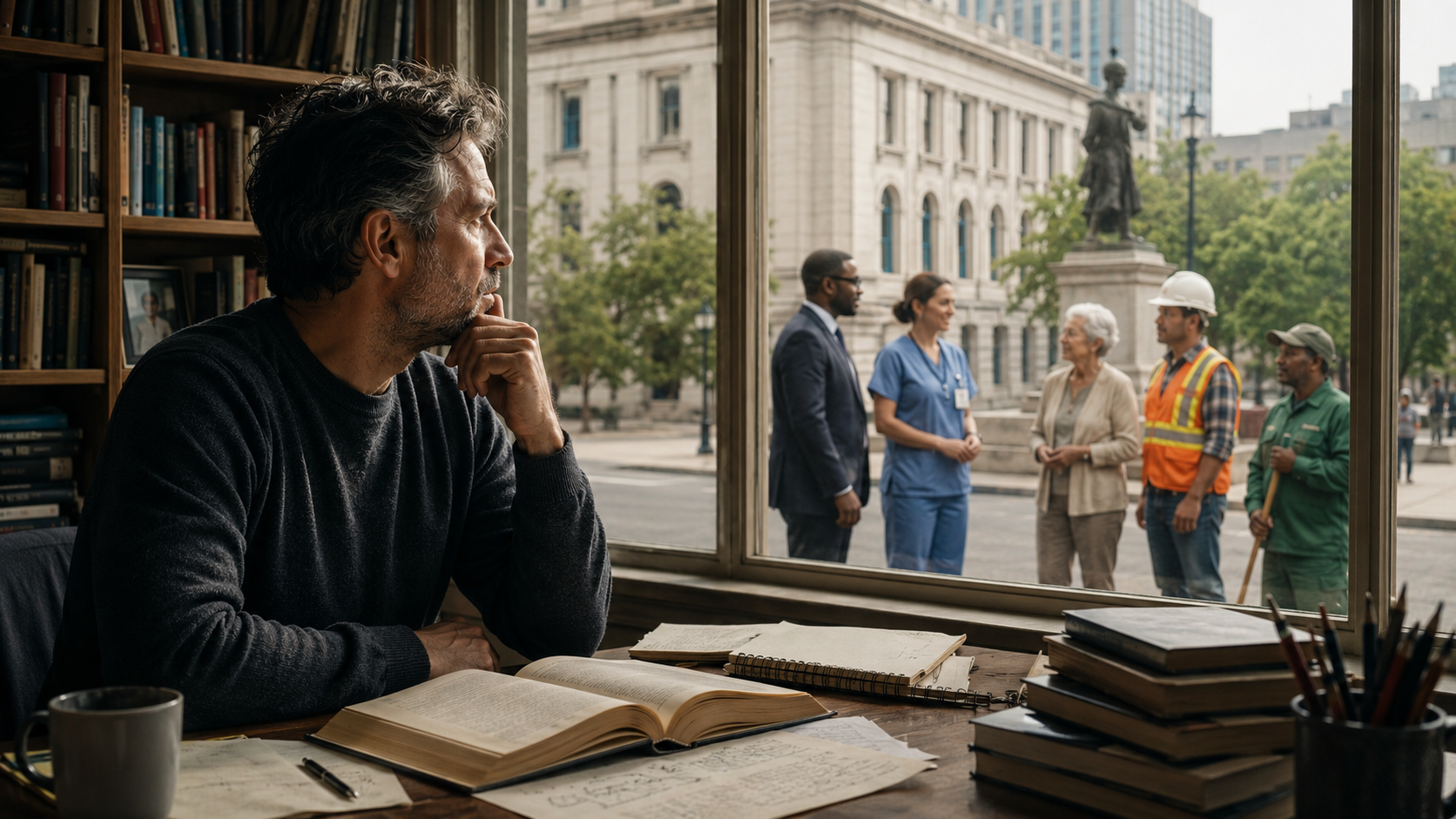
    In such a system, the rich would not be separated from the common duty of society. The powerful would not simply pay and disappear. They would have to appear, serve, obey functional organization, and experience public work beside ordinary citizens. This would not destroy liberty. It would remind everyone that citizenship is not only a collection of rights. It is also a duty of participation.

    Rawls accepts inequality only if it benefits the least advantaged. I agree with this moral direction. But I believe we must also ask whether inequality separates people so much that they no longer recognize each other as members of the same society. If the wealthy live only among the wealthy, if the poor serve only the poor, if public life becomes invisible to the powerful, then justice becomes theoretical.

    Civic public work can reduce this distance. It can bring people into contact with realities they normally avoid. A successful businessman may find himself under the direction of someone with practical public-service competence. A socially powerful person may need to obey, cooperate, and serve. A person who has never contributed anything useful may be given the chance to experience productive work for the common good.

    This is also why I connect justice with rehabilitation. A civilized state should not be built on revenge. The purpose of public authority should not be to punish in the primitive sense, but to prevent harm, repair damage, protect society, and where possible reintegrate the person who has failed socially. Useful public work can be one path toward that reintegration. Not humiliation, not revenge, but disciplined contribution.

    Here I think my view becomes more civic and more productive than Rawls’. Rawls gives us justice as fairness. I would add justice as shared public production. A fair society is not only one where institutions distribute rights and opportunities correctly. It is also one where citizens visibly participate in sustaining the common world.

    This also changes the meaning of taxation. In the modern state, taxation is mostly money-based. Because of this, people have a strong incentive to hide income, manipulate declarations, and treat the state as an enemy. But if the primary civic obligation is time, not declared income, the psychology changes. The citizen owes society service. Money may still play a role, especially through a buy-back option, but the foundation becomes civic contribution rather than financial extraction.

    Rawls’ theory protects the least advantaged by asking what rules we would choose before knowing our social position. My theory tries to protect society itself by making every citizen participate in the public structure that supports everyone. It is not enough to imagine fairness. We must organize fairness into daily life.

    Of course, Rawls would probably ask an important question about my ideas: do they respect basic liberty? This is a serious question. A system of civic duty must not become slavery, humiliation, or authoritarian control. It must be limited, equal, transparent, and constitutional. It must serve public goods, not political domination. The state must not own the citizen.

    But the opposite danger also exists. A society that asks nothing from its citizens may become weak, fragmented, lonely, and unjust. People become consumers of rights, not participants in a shared civilization. Public goods are outsourced, social classes separate, the elderly become useless, neighborhoods disappear, and the state becomes a distant tax machine.

    So perhaps my disagreement with Rawls is not a rejection. It is an extension. Rawls gives the moral foundation: design society as if you might be the weakest person inside it. I accept this. But I add: design society so that everyone must help maintain it with part of their own life.

    Justice is not only what we receive. It is also what we owe.

    That is where Rawls and I meet — and where I begin to walk further.

  • Taxing Time: Some Implications

    Taxing Time: Some Implications

    In a previous article, I argued that the fair tax is not a tax on income, property, consumption, inheritance, profit, or any other visible monetary result.

    The fair tax is the product that corresponds to equal time and equal risk.

    This principle matters because income alone is a very poor measure of fairness. Two people may earn the same money, but one may need four hours to produce it while the other needs sixteen. Their income is equal, but their productive power is not equal. To tax them equally because the final monetary result is the same is not justice. It is blindness.

    Risk makes the problem even deeper. Some income is produced under certainty, while some income is produced after uncertainty, danger, debt, loss, and possible failure. If the state taxes the profitable result without sharing the previous risk or the possible loss, then the state becomes an unfair partner. It arrives after the battle and demands a share of the victory.

    So the state cannot honestly calculate the perfectly fair tax from declared income. It does not really know the time, risk, ability, opportunity, fear, luck, social power, or sacrifice behind a monetary result.

    This leads to a necessary reversal.

    The citizen does not originally owe money.

    The citizen owes civic time.

    Money is not the original debt. Money is only the price of keeping that civic time private.

    This article examines some implications of that idea.

    From fair tax to civic time

    If the fair obligation is based on equal time and equal risk, then the practical institution should begin from time, not money.

    Every citizen over a certain age should owe two full days per calendar week to public service and public production.

    These are not two days out of the five-day working week. They are two days out of the seven-day week. The obligation concerns life-time, not merely labor-market time.

    The assigned days may fall on a Monday, a Saturday, a Sunday, or any other day. They should be selected randomly by a public algorithm and created one year in advance, so that citizens can plan their lives.

    This matters. The state should not surprise the citizen every week. A citizen should know his civic-service calendar early enough to organize work, family, holidays, study, business, travel, and rest.

    The citizen may serve the assigned day. Or, if he wants to keep that specific day private, he may buy it back.

    The buy-back price should increase progressively. The first bought day may be relatively cheap. The second should be more expensive. The third even more expensive, and so on.

    This does not mean that the state classifies citizens as rich or poor. A state should not care whether someone is rich or poor. It should not build the system around moral categories of class.

    The rule is neutral:

    Serve the assigned civic day, or buy it back at the official increasing price.

    If someone buys many days, he will need much more money. The state does not need to ask who he is, where his money came from, or whether he is rich. The act itself reveals that he values private time enough to pay the price.

    Public service as the original tax

    Modern people usually think of taxation as money first. The citizen pays money, and the state hires people to perform public tasks.

    But this separates the citizen from the common good. The citizen becomes a payer, not a participant. The common good becomes something outsourced to professionals and contractors.

    The fair-tax principle reverses this.

    The original obligation is public service. Money is only a substitute.

    The state does not begin by saying:

    “You owe me money.”

    It says:

    “You owe civic time to the common good.”

    If the citizen does not want to give that time on a specific assigned day, he may buy it back. But the debt is not monetary in origin. The debt is civic.

    This makes taxation more honest. Every tax already takes time indirectly. If a person works eight hours and pays 25% tax, then two hours of his labor have effectively gone to the state. The current system hides this behind money.

    The proposed system makes it visible.

    The common good requires time. The citizen may give the time directly, or pay to keep it private.

    The end of income hiding as a tax problem

    A major implication is that people would have much less reason to hide income for tax purposes.

    In the current system, income is the tax base. So people hide income, transform income, delay income, move income, disguise income, and fight over what should count as income. The state then creates a huge machinery of declarations, audits, penalties, exemptions, deductions, investigations, and suspicion.

    This becomes a permanent war between the citizen and the tax authority.

    But civic time is visible.

    Either the citizen appears for the assigned public-service day, or he buys it back.

    The state does not need to know whether money came from salary, rent, dividends, business, stocks, inheritance, family wealth, speculation, reputation, hidden influence, or luck.

    The question is much simpler:

    Did the citizen serve, or did he buy back the day?

    This does not mean that illegal money disappears. People may still hide money for criminal or private reasons. But the central tax incentive to hide income becomes much weaker, because income is no longer the main tax base.

    The tax base becomes visible civic time.

    A new economic instrument

    The implications go far beyond taxation.

    Modern governments often avoid direct production. They prefer regulation, subsidies, public contracts, taxation, interest rates, monetary policy, and public spending. But this creates a dangerous weakness.

    The state may have money, laws, police, courts, and authority, but not productive hands.

    This may be tolerable in a simple and stable environment. But we do not live in such an environment. We live in a complex, unstable, almost chaotic environment. Supply chains break. Wars happen. Pandemics happen. Energy shocks happen. Oligopolies raise prices. Essential goods become expensive. Skills disappear. Whole sectors become fragile.

    In such a world, it is risky for the state to avoid production almost completely.

    A state that controls only money controls shadows. A state that can organize production controls reality.

    This is why civic time should be understood as a new economic instrument.

    If prices rise because of shortages, bottlenecks, oligopolies, or aggressive pricing in basic goods, the state should not only change interest rates or money supply. These are indirect tools. They do not produce food, medicine, repairs, clothes, houses, nursing, logistics, or energy.

    A state with organized civic time can respond differently.

    It can direct public-service capacity toward agriculture, food distribution, basic manufacturing, public maintenance, construction support, elderly care, health support, logistics, disaster response, environmental work, and other essential sectors.

    This gives the state a real anti-inflation and anti-oligopoly instrument.

    If private producers of basic goods exploit society, the state can produce or support production directly. Even if it is less efficient in ordinary accounting terms, it can secure a basic survival level.

    And perhaps the sacrifice is not even real in the long run.

    A society that builds skills, flexibility, emergency capacity, productive knowledge, and cross-sector experience may finally become more productive overall.

    The time budget of the state

    If such a system existed, economic theory would have to change.

    In standard models, T usually means taxes, meaning monetary taxes. But in a civic-time society, taxation is not only monetary. The primary obligation is time.

    So fiscal policy should not be understood only as government spending and money taxation. It should also include the institutional allocation of civic time.

    The state would have two budgets:

    a money budget,
    and a time budget.

    The time budget would show how many civic days society can direct toward public purposes. It would show which sectors need public-service capacity, which regions need support, which goods are strategically necessary, and which public projects require human contribution.

    In that sense, t should not enter theory only as a time index in dynamic models. Time should also enter as a fiscal policy instrument.

    The state can impose, schedule, release, redirect, or allow the buy-back of civic time. This affects production, private time, public output, labor allocation, inflation pressure, resilience, and social structure.

    This is not a small technical correction. It changes the meaning of fiscal policy.

    Fiscal policy is not only the movement of money.

    It is also the organization of society’s time.

    Flexibility must be built

    Economists often speak about labor as if it were a homogeneous substance. They write L in a model and think they have described human work.

    But labor is not a letter.

    A plumber is not instantly an agricultural worker. An accountant is not instantly a nurse assistant. A programmer is not instantly a textile worker. A teacher is not instantly a construction assistant.

    So when economists speak about labor flexibility, they often assume what society has never built.

    Flexibility is not a hypothesis. It is an institution.

    Civic-time duty would expose citizens to many forms of work outside their original profession. An accountant may learn agriculture. Later in life, if accountancy faces unemployment, he may have another path. Or he may combine accounting knowledge with agriculture: farm management, cooperative accounting, cost control, logistics, export organization, public procurement, or rural business planning.

    The same applies everywhere. A lawyer may learn food distribution. A journalist may learn public maintenance. A teacher may learn elderly care. A programmer may learn clothing production. A shop worker may learn energy support.

    This creates a society where people are not trapped forever inside one narrow professional identity.

    It also gives the economy genuine flexibility. Not flexibility as a slogan. Not flexibility as a mathematical assumption. Real flexibility, built through experience.

    Respect for other people’s work

    There is also a moral dimension.

    People often speak about professions they have never experienced. They speak about farmers without ever touching soil. They speak about nurses without ever helping the sick. They speak about builders without ever carrying materials. They speak about manufacturing without ever standing near repetitive production.

    This creates arrogance and ignorance.

    Civic duty forces society to experience itself.

    An accountant who has worked in agriculture will never again speak about farmers as if food appears magically. A journalist who has assisted in nursing will write differently about hospitals. A politician who has helped in public maintenance will understand infrastructure differently. A professor who has worked in manufacturing will understand production differently.

    People do not only learn skills. They learn what other people’s work costs.

    This may be one of the greatest social effects of the institution. Civic time would create humility. It would turn social classes and professions from abstractions into lived knowledge.

    A temporary reversal of hierarchy

    The institution would also affect hierarchy.

    People with social power in ordinary life may find themselves under the direction of others during civic duty. A businessman, journalist, professor, politician, lawyer, manager, or famous person may have to follow the instructions of a farmer, nurse, technician, builder, mechanic, cook, or logistics supervisor.

    This is healthy.

    In ordinary society, hierarchy often follows money, education, visibility, office, fame, or connections. But during civic duty, hierarchy should follow functional competence.

    The one who knows the work leads the work.

    So a socially powerful person may temporarily obey someone socially invisible but practically necessary. This is not humiliation. It is education.

    It teaches that society is not held together only by titles, capital, speeches, and theories. It is held together by people who know how to plant, repair, clean, carry, manufacture, care, cook, maintain, and build.

    For a few days each week, prestige would be corrected by usefulness.

    Reaching those who escape the income-tax system

    The civic-time system would also reach people who often escape income taxation.

    Unknown thieves, drug dealers, fraudsters, and other socially harmful people may declare little or no income. The state may not see their real economic life. But under civic-time duty, they still face the same visible choice as everyone else:

    Serve the assigned day, or buy it back.

    This matters because a person who has never worked beneficially for society receives an opportunity to do so.

    Some people may have lived from crime, exploitation, fraud, parasitic dependence, or total disconnection from productive life. Civic duty says to them:

    You are still a citizen. You still owe civic time. Come and produce something useful.

    This does not mean we should be naive. Dangerous people must not be placed in sensitive tasks. Work with children, vulnerable elderly people, medical supplies, security systems, money, or confidential information must require screening, supervision, and safeguards.

    But the principle remains powerful.

    The system does not merely punish or extract. It may transform. It may give some citizens their first real experience of socially useful work.

    Not everyone will change. But some may.

    A person who plants, repairs, cleans, distributes, manufactures, or builds may discover a different relationship with society.

    The army analogy

    Many countries already accept the principle that the citizen may owe time directly to the common good.

    Military service is exactly that. It is not an income tax. It is not a property tax. It is not a consumption tax. It is a time obligation.

    If the state may require citizens to give time for national defense, why should it be unthinkable to require civic time for social defense?

    Military service protects society against external enemies. Civic production service would protect society against internal fragility: shortages, oligopolies, inflation in basic goods, loss of skills, unemployment, social separation, and dependence on private suppliers for survival.

    The army has soldiers.

    This institution could have civic producers.

    The point is not militarization. The point is organized contribution. A society should not rely only on money and markets for its basic survival. It should have a permanent civic capacity to produce, repair, care, and respond.

    The deeper meaning

    The fair-tax article established the moral basis:

    Tax only the product that corresponds to equal time and equal risk.

    But because equal risk cannot truly be measured, and because income does not reveal true power, the state cannot calculate the fair tax directly.

    So the fair tax must be applied indirectly.

    Every citizen receives the same civic-time obligation. Whoever wants to keep assigned time private may buy it back at an increasing price.

    That is the tax mechanism.

    But the implications are much larger.

    This institution would revise the meaning of taxation. It would revise the meaning of labor. It would revise fiscal policy. It would revise the relationship between state and production. It would revise the connection between citizenship and service.

    It would reduce the importance of hidden income.

    It would create direct public productive capacity.

    It would give the state a real anti-inflation and anti-oligopoly instrument.

    It would build labor flexibility instead of assuming it.

    It would expose citizens to other professions.

    It would teach respect for work.

    It would temporarily reverse social hierarchy in favor of practical competence.

    It would offer socially disconnected people a path into useful contribution.

    And it would make society more resilient in a complex and chaotic world.

    A modern state should not only collect money from society. It should be able to organize the time of society when the common good requires it.

    Because money alone cannot plant, nurse, repair, build, manufacture, harvest, transport, or care.

    Only people can.

    And a society that has organized civic time has something stronger than taxation.

    It has a living reserve of productive citizenship.
  • Without Neighborhoods, Older People Are Doomed

    Without Neighborhoods, Older People Are Doomed

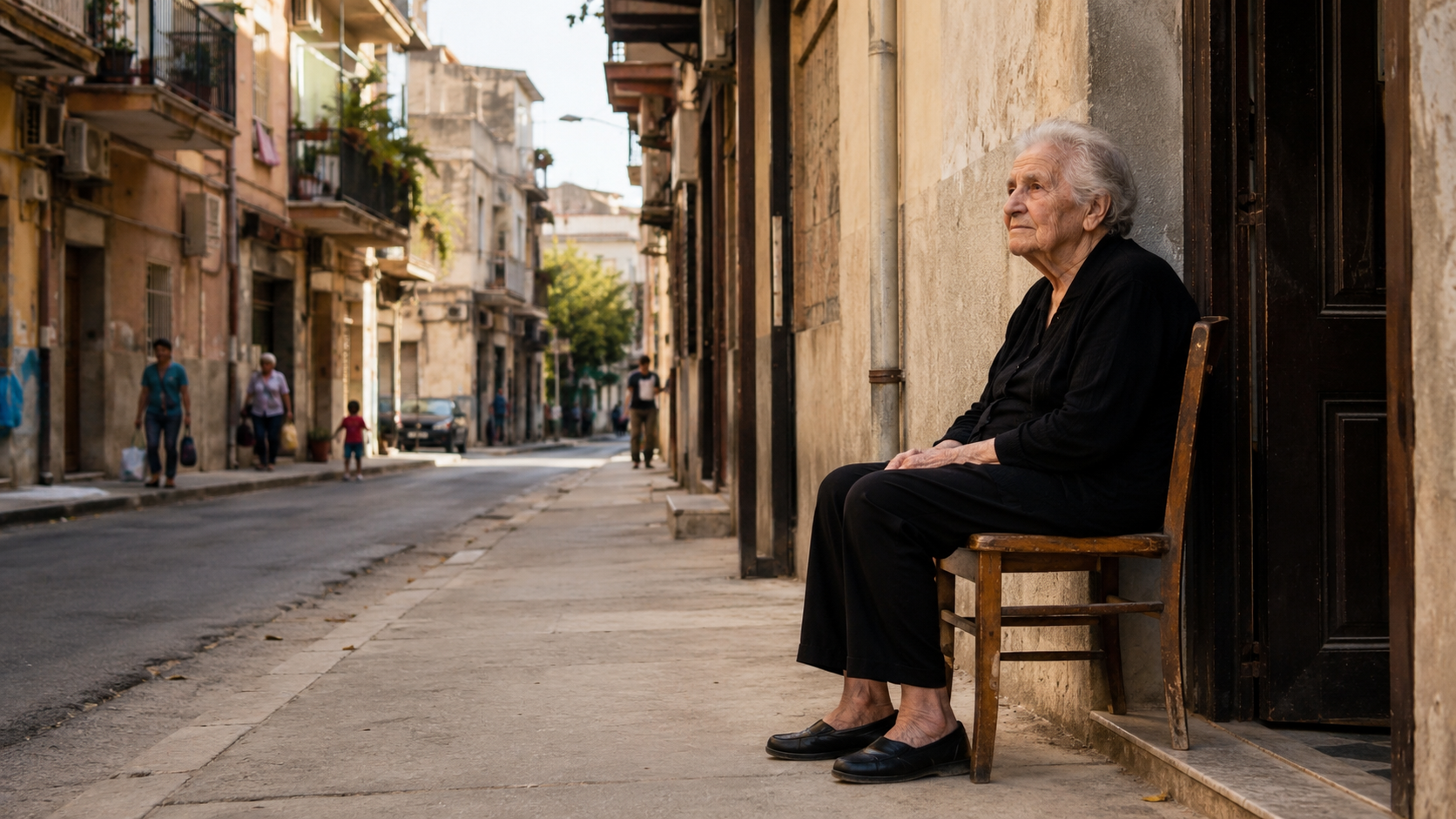
    For centuries, older people had a natural and respected place in society. They were not only old bodies waiting for care. They were memory, guidance, experience, and authority. Before typography, before mass education, before radio, television, the internet, and artificial intelligence, the old person was often the living library of the community.

    He knew what had happened before.
    He knew the families.
    He knew the dangers.
    He knew the customs.
    He knew the mistakes that had already been made.

    In a world without easy access to stored knowledge, age had obvious utility. The old person was useful because he remembered. He had seen. He had survived. Younger people needed him.

    But history slowly weakened this role.

    The printing press brought books. Knowledge was no longer trapped inside the memory of the elders. A young person could read authors greater than any local old man. Then came newspapers, radio, television, universities, the internet, online media, and finally AI chatbots. Today, if someone wants information, explanation, advice, history, or even practical instructions, he does not need to ask the old man of the village. He asks a screen.

    This is a massive social change.

    Technology did not only change how we learn. It changed the social value of old age. Older people lost part of their ancient function. They were once necessary because they carried knowledge. Today, general knowledge is everywhere.

    But this does not mean that older people are useless. It means that society has failed to give them a new, clear, and institutional role.

    And here the neighborhood becomes essential.

    No book knows the neighborhood.
    No television channel knows the neighborhood.
    No website knows the neighborhood.
    No AI chatbot knows the neighborhood better than the people who have lived there for decades.

    Older neighbors know things that no technology can know properly. They know who lives alone. They know which family is struggling. They know which child is neglected. They know which person used to appear every day and suddenly disappeared. They know which house has tension. They know who needs help but is too proud or too ashamed to ask for it.

    This kind of knowledge is not abstract. It is local, human, concrete, and irreplaceable.

    Modern society has broken or reduced families. Many people live alone. Children move away. Couples separate. Grandparents become visitors instead of central members of family life. The old person is often left isolated, weak, and socially unnecessary. He may have time, memory, patience, and attention, but nobody asks for them.

    This is not only cruel. It is stupid.

    A society that leaves old people alone wastes one of its greatest reserves of human presence. It throws away memory. It throws away observation. It throws away continuity. It throws away people who could still be useful, not as workers in the usual economic sense, but as witnesses, connectors, and guardians of local life.

    That is why neighborhoods should be institutionalized.

    A neighborhood should not be just a geographic area where strangers sleep behind separate doors. It should be a recognized social unit. It should have duties, relationships, points of contact, and roles. And one of these roles should belong to older people.

    The old neighbor should not be treated only as someone who receives care. He can also participate in care. He can notice absence. He can speak to lonely people. He can guide young parents. He can watch over children in the wider social sense. He can transmit local history. He can connect people who need each other. He can warn when something is wrong.

    This would give old people part of their old power again.

    Not the power to dominate.
    Not the power to control private lives.
    But the power to matter.

    Today, many elderly people feel useless because society has organized itself as if they are useless. We put them outside production, outside education, outside decision-making, outside daily social necessity. Then we are surprised that they become lonely, depressed, frightened, and passive.

    But perhaps the problem is not old age. Perhaps the problem is that we destroyed the social structures where old age had meaning.

    Without neighborhoods, older people are doomed to become isolated individuals waiting for visits, medicine, television, or death. With neighborhoods, they can again become part of a living human circle.

    The old person cannot compete with books, television, the internet, or artificial intelligence as a source of general knowledge. But he can still know something that all of them miss: the life happening next door.

    And this may be exactly where his future social value lies.

    If we want to protect the elderly, we should not think only about pensions, hospitals, and care homes. These are necessary, but they are not enough. The elderly do not need only to be maintained biologically. They need to be socially needed.

    A society that has no place for its old people is a society that has lost its memory. A society without real neighborhoods condemns old age to exile inside the home.

    Without neighborhoods, older people are doomed.

  • Taylor Parker Should Never Be Free — and Should Not Be Killed

    Taylor Parker Should Never Be Free — and Should Not Be Killed

    Taylor Parker’s case is one of those crimes that seems to destroy ordinary language. A pregnant young woman, Reagan Simmons-Hancock, was killed. Her unborn child, Braxlynn, was taken from her womb and also died. Parker was convicted of capital murder and sentenced to death.

    Many people will say: what punishment could be too severe for such an act?

    But that is exactly where a civilized society must be most careful. The more monstrous the crime, the greater the temptation to become monstrous in response. And the state, if it is truly a superior form of organization, must not become the legal expression of anger, horror, or revenge.

    Citizens may feel rage. The victim’s family may feel hatred. Society may feel disgust. These emotions are human. But the state must not act like an angry person. The state must not take revenge. The state must protect, repair, compensate, and prevent repetition.

    That is why the death penalty is wrong even in a case like Taylor Parker’s.

    A state should not confront one crime with another crime. The death penalty is a crime committed with procedure, documents, witnesses, uniforms, and official signatures. It is society doing the same irreversible act that it condemns. If killing is wrong, then the state must not kill in order to prove that killing is wrong.

    This does not mean softness toward Parker. On the contrary, the correct response should be absolute.

    Taylor Parker should never return to ordinary society. Not after ten years. Not after twenty years. Not after a successful psychological performance. Not after public sympathy. Not after a documentary. Not after society forgets.

    Her case belongs to the category of extreme irreversible violence. The response should not be “correction,” because there is nothing that can correct the death of Reagan Simmons-Hancock or Braxlynn. The response should not be revenge, because revenge does not resurrect the dead. And it should not be ordinary prison, because prison is a lazy and primitive answer that society uses when it has no better architecture.

    The proper answer is permanent civic separation.

    This means that Parker should live, but not among us. She should exist, but without access to the ordinary social body. She should have food, medical care, basic human conditions, and legal protection from cruelty. But she should never again have the possibility of returning to society as an ordinary citizen.

    This is not because “we are moral and she is immoral.” A serious society does not need childish moral superiority. It is enough to say something simpler: her practical morality proved incompatible with the social contract. A person who can cross the line into such extreme violence cannot demand continued participation in the community whose most basic rules she destroyed.

    The state’s solution should therefore be:

    Permanent separation from ordinary society.
    No execution.
    No theatrical revenge.
    No future release into normal civic life.
    No financial profit from the crime.
    Any possible income, assets, royalties, or media-related benefit should go first to victim compensation.
    The victims’ families should be compensated immediately by the state, with the offender owing lifelong repayment where possible.
    Her communication and public exposure should be controlled so that the crime does not become a platform, a myth, or a perverse form of fame.

    This is a very different logic from the death penalty.

    The death penalty says: she killed, so we kill.

    A civilized system should say: she destroyed life, so we will protect life from her forever — including her own life from our revenge.

    That distinction matters. If the state kills Parker, it teaches society that killing can become acceptable when enough people approve of it. But the state should not be a more organized criminal. It should be the institution that refuses to become what it condemns.

    The Parker case also exposes the weakness of our current justice imagination. We ask: death or prison? But why are these the only serious answers? Why do we accept prison as the universal container for every form of danger?

    Economic criminals, violent offenders, sexual predators, negligent professionals, corrupt officials, and murderers do not create the same kind of threat. They should not all be answered with the same instrument. The state should classify illegal actions by the type of future danger they create and by the type of repair that is possible.

    In an economic crime, the core answer may be compensation, public disclosure, and exclusion from positions of financial trust. In a sexual crime against children, the answer may be permanent exclusion from any environment where children exist, with monitoring and geographical restriction. In domestic violence, the answer must be immediate removal from the victim’s environment and long-term protection. In murder and extreme violence, the answer may be permanent separation from ordinary society.

    Taylor Parker’s case belongs to that last category.

    She should not be corrected. She should not be executed. She should be permanently removed from civic life.

    This proposal is not mercy toward the offender. It is seriousness toward society. It protects the public without making the state a killer. It honors the victims better than revenge because it builds a principle out of their suffering: no one who commits such an act should ever again be placed in a position to repeat it.

    A civilized state does not ask, “How much pain does this criminal deserve?”

    It asks:

    What danger exists?
    What damage was done?
    Who must be compensated?
    What must be prevented forever?
    What limits are necessary so that this person can never again harm society?

    In Taylor Parker’s case, the answer is clear.

    She must never be free.

    But the state must not kill her.

    Because civilization is not measured by how much rage it can express. It is measured by whether it can protect people without becoming revengeful, whether it can remember victims without imitating criminals, and whether it can prevent future harm without committing official violence in the name of justice.

    Taylor Parker should live outside ordinary society forever.

    Not because her crime is small.

    Because the state must be bigger than her crime.

  • A Child’s Right to Both Sexes at Home

    A Child’s Right to Both Sexes at Home

    A child is not created by an abstract idea of parenthood. A child comes from a man and a woman, from sperm and egg, from the male and female reality of human life. This biological fact should not remain only a fact of conception. It should also be reflected in the child’s daily environment.

    In modern society, we often speak about the rights of adults: the right to love, the right to marry, the right to form a family, the right to live according to one’s identity. These rights matter. But when a child enters the picture, the discussion must change. A child is not an extension of adult desire. A child is a new human being, and society must ask first what the child needs.

    My position is simple: every child must have daily presence of both sexes at home.

    This is not an argument against homosexuality. Homosexuality is normal, as normal as heterosexuality. Nor is my argument that a child raised by a same-sex couple will become homosexual. That is not the issue. The issue is deeper. A child needs the male and the female presence not as decorative symbols, but as two different human realities.

    The motherly presence and the fatherly presence are not identical. They do not have to be described in a rigid or primitive way, but they are not interchangeable either. A child needs the human world to appear in both its male and female form. The child needs the security, tenderness, and inner world often connected with the maternal presence, and also the outward movement, separation, limit, and social opening often connected with the paternal presence.

    Matthaios Giosafat expressed a related idea: the mother first gives the child the protected inner world, while the father helps the child move outward into the world. Whether one agrees with every detail of this view or not, the central insight is important. The child does not merely need “care.” The child needs a complete human horizon.

    Therefore, society should not treat the absence of one sex from the home as irrelevant.

    This principle should apply to every case, not only to same-sex couples. It should apply to a single mother raising a child alone. It should apply to a single father raising a child alone. It should apply to a household with two men. It should apply to a household with two women. It should apply after divorce, death, abandonment, adoption, or assisted reproduction.

    The principle is universal:

    Every child has the right to daily male and female presence at home.

    If one of these presences is missing, it must be substituted in a concrete way. Not through vague words such as “role models,” “community,” “mentors,” or “relatives.” These are often empty expressions. The solution must be specific.

    The missing sexed presence should be provided at home for three hours every day.

    If a child lives without a daily male presence, then a certified male home-presence figure must visit the home for three hours per day.

    If a child lives without a daily female presence, then a certified female home-presence figure must visit the home for three hours per day.

    This person would not automatically be called “father” or “mother.” The role would be more precise:

    Certified Male Home Presence
    or
    Certified Female Home Presence

    The role would be official, trained, supervised, and long-term. It would not be a random visitor, and it would not be a symbolic arrangement. The same person should remain connected with the child for a substantial period, preferably at least one year, so that the child experiences continuity and not a rotation of strangers.

    The three hours should take place inside the home because the home is where childhood is formed most deeply. A school teacher, a sports coach, or a psychologist may help a child, but they do not replace the daily atmosphere of the home. The home is where the child eats, speaks, plays, studies, rests, and forms their first understanding of life. If the missing male or female presence is to mean anything serious, it must enter that ordinary daily world.

    The role would be practical. The certified person may help the child with homework, talk with the child, eat with the child, read, play, walk with the child when appropriate, participate in family routines, and offer the missing male or female presence in a stable and visible way.

    Of course, such a system would need strict rules.

    There should be background checks, training, licensing, supervision, and regular review. There should be written records of visits. There should be clear child-protection rules. There should be no bedroom isolation, no bathing or dressing of the child, no physical punishment, no ideological manipulation, no sexual or intimate behavior, no overnight stay, and no attempt to replace the legal parent.

    The parent should first have the right to propose a suitable person of the missing sex. If the parent cannot find such a person, the state should provide certified candidates. The parent should be able to choose among approved persons, but the parent should not be able to cancel the child’s right entirely without serious reason.

    This is the difficult point. Many people will say that the state must not enter the private home. But the state already enters the home when a child is abused, neglected, or endangered. The principle is already accepted: the home is private, but it is not above the child’s rights.

    If society accepts that a child has a right not to be beaten, not to be abandoned, and not to be psychologically destroyed, then society can also discuss whether a child has a right to a complete male and female human presence. The home cannot be treated as the private property of adults when the development of a child is at stake.

    This proposal may sound strange today because modern culture has become afraid of saying that the male and the female are both necessary. We are encouraged to speak only about love, consent, equality, and adult freedom. These are important, but they are not the whole truth. A child does not grow only through love in the abstract. A child grows inside a structure. And the most basic human structure is male and female.

    The purpose of this proposal is not to punish anyone. It is not to stigmatize single parents, widows, divorced families, or same-sex couples. On the contrary, it gives society a concrete way to help the child when one side of the human presence is missing.

    The state should not simply say, “This family is incomplete,” and then do nothing. Nor should it pretend that every family structure is identical. The honest position is different:

    When one sex is absent from the daily home life of a child, society should repair the absence as much as possible.

    Three hours per day at home is not a perfect replacement for a mother or a father. Nothing can perfectly replace a mother or a father. But it is a serious attempt to recognize the child’s need and to answer it concretely.

    The child must not be sacrificed to adult ideologies, whether conservative or progressive. The child must come first.

    And if the child comes first, then we must have the courage to say this:

    Every child should grow up with both male and female presence at home. When one is missing, society must provide a safe, trained, daily substitute — not in theory, not occasionally, but concretely: three hours per day, inside the child’s home.

  • A Civilized State Does Not Take Revenge

    A Civilized State Does Not Take Revenge

    A civilized state should not punish. It should not take revenge. It should not imitate the criminal act under the official language of justice.

    People may feel anger. Victims and relatives may feel rage, grief, hatred, or the desire for retaliation. These feelings are human and understandable. But the state must not become the legal expression of those emotions. The state is supposed to be a superior form of organization. Its role is not to shout with the crowd. Its role is to protect, to prevent, to repair, and to make sure that the same harm does not happen again.

    This is why our whole language around crime must be questioned. We still speak about “correction,” “punishment,” “sentences,” and “years in prison,” as if putting a person in a cage for a period of time were a serious answer to the problem. But prison is ridiculously ineffective. It gathers very different problems into one institution: violence, theft, fraud, addiction, sexual danger, mental illness, organized crime, and social failure. Then society pretends that one answer can solve all of them.

    It cannot.

    Prison is not civilization. Prison is the place where society hides the problems it has failed to understand.

    The state should not ask, “How many years does this person deserve?” That is the language of revenge disguised as law. The real questions should be different: What danger does this person create? What damage was caused? Can the victim be compensated? Can the danger be neutralized? Can this person safely remain inside ordinary society? If not, what form of separation is necessary?

    This does not mean softness. On the contrary, it may lead to much stricter and more rational responses than today’s system.

    Economic crimes, for example, do not always require physical confinement. Their main damage is the destruction of trust and property. The logical response is full compensation, perhaps even for life if the damage cannot otherwise be repaired. There should also be public transparency, so that people know with whom they are dealing. A person who has abused economic trust may be restricted from managing companies, public money, investments, or other people’s property.

    Sexual crimes against children create a completely different danger. The answer cannot be symbolic imprisonment followed by eventual return to ordinary life as if nothing fundamental has happened. The priority must be absolute prevention of access to children. That may mean permanent residence in an adult-only restricted area, electronic monitoring, strict geographical limits, and continuous supervision. The point is not revenge. The point is that children must never again be placed within reach of that danger.

    Violent crimes also require their own logic. If someone has shown a deep incompatibility with peaceful coexistence, society has no obligation to keep exposing citizens to that risk. For murder and extreme violence, the appropriate answer may be permanent civic separation. Not torture. Not execution. Not cruelty. But removal from the ordinary social body.

    This is not based on the childish idea that “we are moral and they are immoral.” A mature society does not need that arrogance. It is enough to say that some people act according to a morality incompatible with our social contract. If someone’s practical morality permits murder, rape, severe violence, or the destruction of another human being, then that person cannot demand full participation in the society whose basic rules he has rejected.

    Let them live, but not among us. Let them have existence, but not access. Let them organize their lives under strict isolation from the society they have proven unable to respect.

    This is also why the death penalty must be rejected absolutely. A state should not confront one crime with another crime. The death penalty is a crime committed with procedure, uniforms, documents, and signatures. It is society doing the same irreversible act that it condemns. A civilized state must not kill in order to show that killing is wrong.

    The alternative to prison is not chaos. It is a more serious architecture of justice.

    The state must educate before crime.
    It must prevent where danger is visible.
    It must compensate victims when prevention fails.
    It must restrict people from the fields where they are dangerous.
    It must separate permanently those who cannot coexist with the basic social contract.
    And it must never call revenge “justice.”

    We also need a much more active society of prevention. With today’s means, it is absurd that we wait passively for tragedies and then perform public shock. Authorities should be able to combine information, identify repeated danger, protect vulnerable people, and intervene before irreversible harm occurs. Society should be educated to recognize warning signs and report serious risks responsibly. The state should not appear only after the dead body. It should be present before the crime.

    But this presence must also have limits. Prevention must not become tyranny. Monitoring, restrictions, public records, and separation must be governed by law, evidence, judicial control, and safeguards against abuse. A system that claims to protect society must not become another danger to society.

    The central principle remains simple:

    A civilized state does not punish.
    A civilized state does not take revenge.
    A civilized state does not execute.
    A civilized state protects, repairs, and prevents repetition.

    Prison belongs to an older stage of human imagination. It is the lazy answer of a society that does not want to think carefully. The future of justice should not be built around cages. It should be built around responsibility, compensation, prevention, and, where necessary, permanent separation.

    Not revenge. Not execution. Not fake correction.

    Protection.